Best Method recommended method with best effort-to-efficacy tradeoff 5-7 days
Paper Towel Lined Container
- Do NOT wash until ready to eat moisture promotes mold
- Remove any crushed or moldy berries
- Place in single layer on paper-towel lined container
- Refrigerate
- Store uncovered or loosely covered for airflow original container with vents works too
- Keep away from ethylene producers
Alternative another good method that's just different 7-10 days
Vinegar Rinse (Longest)
- Dunk berries in 1 part vinegar, 3 parts water
- Drain and dry thoroughly e.g. salad spinner or paper towels
- Place in single layer in paper-towel lined container
- Loosely cover
- Refrigerate
Freezing freezing method 6-12 months
Frozen
- Wash and dry berries thoroughly, or freeze unwashed
- Freeze in single layer on baking sheet until solid
- Transfer to freezer bags
- Best for smoothies, baking, jam peak flavor about 6 months
Long Term preservation methods like canning, dehydrating, pickling, fermenting 1-2 years
Preserves/Jam
- Cook berries with sugar and pectin
- Pack into sterilized jars
- Process using water bath canning
Long-term preservation
- Freeze drying Suitable for freeze drying. Learn about freeze drying
Protect your produce
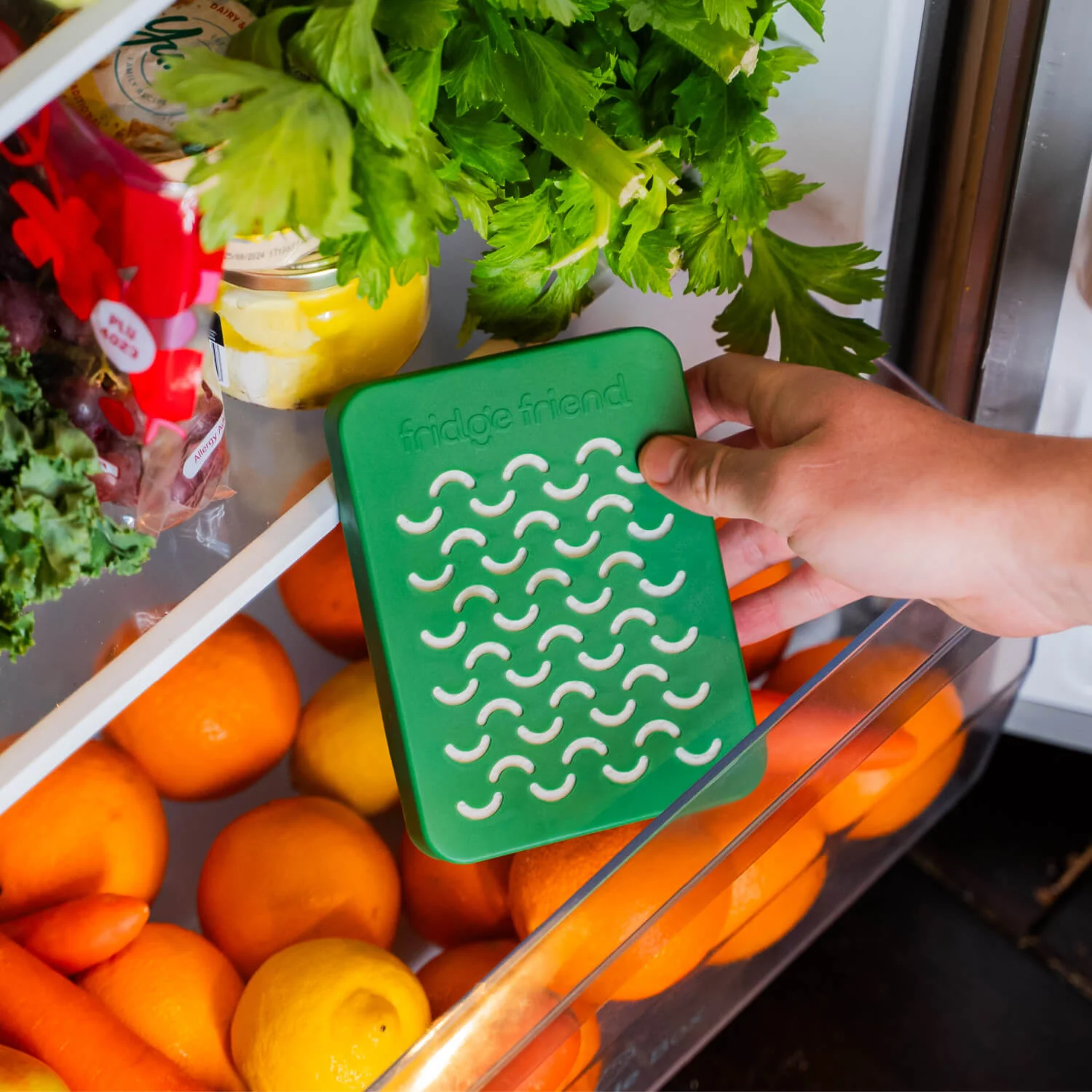
This item is sensitive to ethylene gas, which is released by other produce.
Fridge Friend absorbs ethylene gas, bacteria, odours, and excess moisture to make your food stay fresh longer.
Revival Tips
Soft but not moldy strawberries can still be used for smoothies, jam, or baking.
Fun Facts
- Strawberries are aggregate fruits—the seeds are on the outside; they don't ripen after picking, so store cold and use soon.